

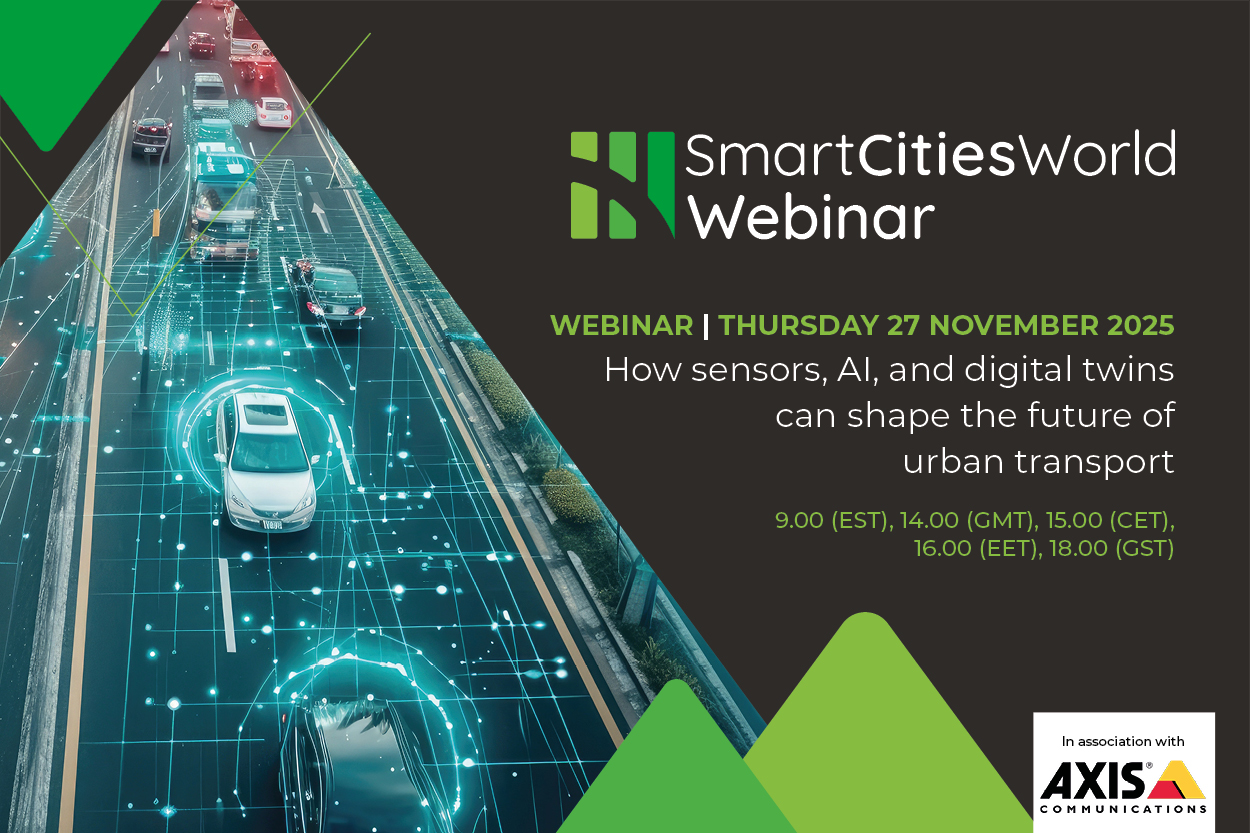
The future of urban transport is being reshaped by advanced technologies such as artificial intelligence (AI), sensors, and digital twins. These innovative tools are paving the way for smarter, more sustainable cities. In a recent on-demand webinar focusing on these developments, experts discussed the pivotal role that AI plays in creating resilient infrastructure and ensuring sustainable operations in urban environments.
As cities around the globe grapple with increasing populations and mounting pressure on transport systems, the integration of AI and digital twins offers solutions that promise to enhance efficiency and sustainability. AI can analyze vast amounts of data from sensors embedded in vehicles and infrastructure, providing insights that help city planners make informed decisions about transport networks.
Digital twins, which are virtual representations of physical assets, enable real-time monitoring and simulation of urban transport systems. By utilizing digital twins, city officials can predict traffic patterns, assess the impact of new transport projects, and optimize existing infrastructure. This enables a more proactive approach to urban planning, ensuring that cities are equipped to handle future challenges.
During the panel discussion, a key topic was the importance of resilient infrastructure. Experts emphasized that resilient urban transport systems are not just about efficiency; they are essential for the sustainability of cities. Sustainable operations contribute to reducing carbon footprints, improving air quality, and enhancing the overall quality of life for urban residents.
Moreover, the webinar highlighted the significance of collaboration in unlocking climate finance for urban development. Building city capacity and partnerships is crucial for implementing these advanced technologies. The discussion underscored the need for public-private partnerships that can drive investment into smart transport solutions, making them accessible to more cities and communities.
In addition to AI and digital twins, the role of climate finance was a recurring theme throughout the discussion. The COP30 webinar segment focused on how cities can secure funding for sustainable transport initiatives. With resources being limited, city leaders must navigate complex financial landscapes to access the necessary support for transformative projects.
SmartCitiesWorld also emphasized the importance of staying informed through their newsletters, which offer daily and weekly updates on the latest news in urban development. These newsletters provide insights into city interviews, special reports, and guest opinions, ensuring that stakeholders are well-equipped with the latest information regarding urban transport advancements.
To sum up, the integration of AI, sensors, and digital twins represents a significant leap forward in the quest for sustainable urban transport. As cities continue to evolve, embracing these technologies will be vital in creating resilient infrastructure capable of meeting the needs of future generations. The discussion around climate finance and collaborative efforts will be essential in driving this transformation, ensuring that urban transport systems are not only efficient but also sustainable and resilient.
Source: Smart Cities World News